Here are the best pedal VST plugins for guitar and bass you can find! These all are like cheat codes for getting killer tones without the mess of actual pedals and cables everywhere.
Alright, let’s talk pedals, but not the kind cluttering up your floor with tangled cables and suspiciously sticky Velcro. What’s on my mind are the FX plugins, the magical little bits of software that offer all the goodness of a full pedalboard minus the tripping hazard.
Whether you’re a tone purist hunting for the perfect overdrive or a sonic adventurer looking to drown your bass in ethereal modulations, 2026 has brought us some absolute gems in the pedal plugin department.
Now, I don’t know about you, but I’ve spent way too much time testing every pedal I could get my hands on (virtually, of course). The result? A solid lineup of plugins that range from eerily accurate recreations of vintage stompboxes to futuristic effects that would make your old rig blush.
And the best part for me? You can swap these in and out faster than a drummer can find the beat after a tempo change.
So, grab your favorite guitar or bass (or, hey, even your synth; we don’t judge here), plug into your DAW, and let’s dive into the plugins that are set to redefine tone this year. These are the tools I’d trust for everything from crunchy riffs to dreamy soundscapes and maybe even a few unexpected surprises. Ready? Let’s go pedal diving!
1. Neural DSP Effects
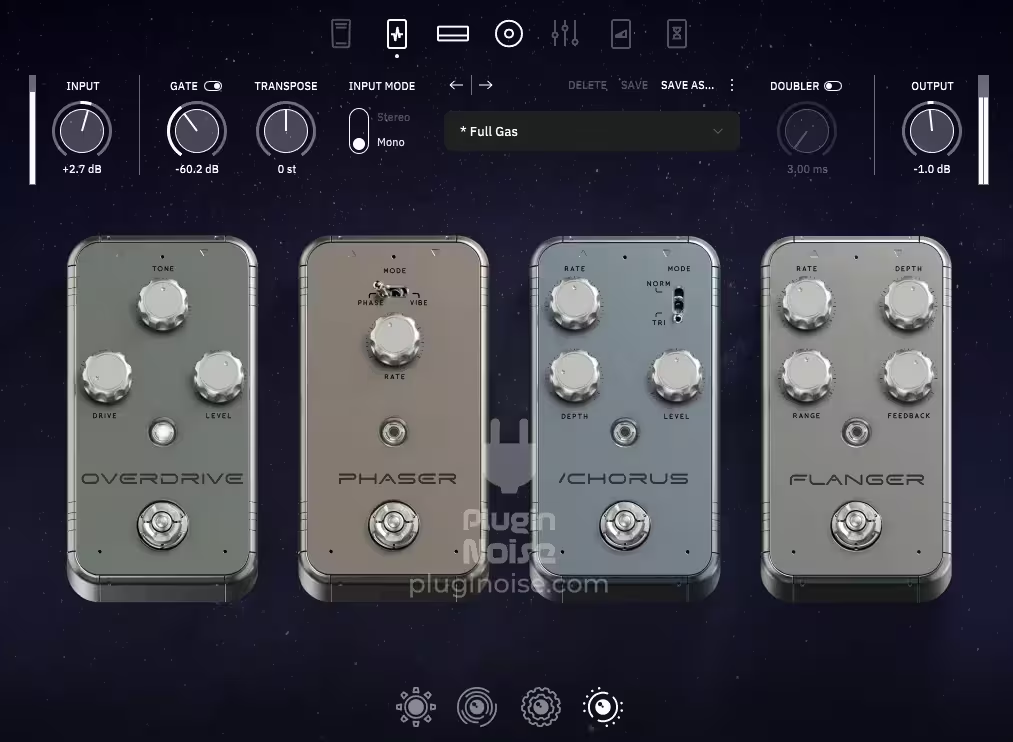
What I love about Neural DSP’s Archetypes is how they bundle incredible amp modeling with meticulously crafted pedal effects.
Unlike standalone pedal plugins, Neural DSP Effects are integrated directly into each Archetype suite, tailored to match the vibe of the amps and the artist or brand they represent.
From lush delays and modulations to tight overdrives and compressors, every pedal in an Archetype feels purposeful and musical. While you can’t buy these pedals separately, the unique combination of amps and effects makes each Archetype a powerhouse of tone creation.
I love the GUI, as it’s sleek and intuitive and you get a highly visual layout that mirrors a real-life signal chain, from preamp pedals to amp and cab simulations and finally to post-effects.
I also like the straightforward workflow: drag, click, tweak, and you’re set. The presets, crafted by Neural’s team and their collaborating artists, are a great starting point, but the real fun is customizing the signal path to fit your style.
- Pedals Embedded for Seamless Integration
Each Archetype includes pedal effects tailored to the specific amp and artist. For example, Archetype: Plini has lush reverbs and delays perfect for ambient tones, while Archetype: Cory Wong offers snappy compressors and funky choruses ideal for clean, rhythmic playing.
I gotta say, these effects feel like an extension of the amps, making it easy to craft cohesive tones and the authenticity you get is pretty impressive, in my opinion.
- Highly Customizable Signal Chains
You can move pedals, tweak their parameters, and integrate them seamlessly with amp and cab simulations.
One of my usuals is the overdrive in Archetype: John Petrucci for soaring leads, paired with a cavernous reverb that sits beautifully in mixes.
- Standalone Mode
A favorite feature of mine is the standalone mode, as you just fire up the software, plug in your guitar, and jam away with studio-quality tones. It’s perfect for quick practice sessions or spontaneous creativity.
- Authenticity Across Genres
While Neural DSP often caters to metal and prog players, their Archetypes are surprisingly versatile. I used them for many different genres and there wasn’t even one time that I got disappointed.
Archetype: Tone King, for instance, captures a boutique clean-to-crunch tone that works brilliantly for blues and indie, while Archetype: Tosin Abasi explores experimental and futuristic sonic territories.
- Artist and Amp-Specific Pedals
The pedals in each Archetype aren’t generic, as they’re modeled to complement the amps they pair with. The compressors in Archetype Cory Wong are tight and snappy, while the delays in Archetype Plini feel dreamy and expansive. This intentional design ensures each effect feels like part of a larger musical toolkit.
Neural DSP’s Archetypes shine in both studio and practice environments. The built-in pedals are polished enough to drop into a mix with minimal tweaking, and the amp-pedal synergy is unmatched. Whether you’re dialing in modern metal tones or crafting intricate cleans, these plugins deliver every time.
The inability to purchase the pedals separately might be a downside for those looking for standalone effects. Each archetype is relatively pricey. However, considering how well they integrate with the amps in each Archetype, this isn’t a deal-breaker as it’s a feature that ensures cohesion.
For me, Neural DSP Archetypes are hard to beat as they’re complete tonal ecosystems. They serve pretty brilliantly for recording, practicing, and even experimenting with new tones.
Neural DSP Archetypes are available in VST3, AU, and AAX formats for macOS and Windows users.
2. Kuassa Efektor Echolyte Delay
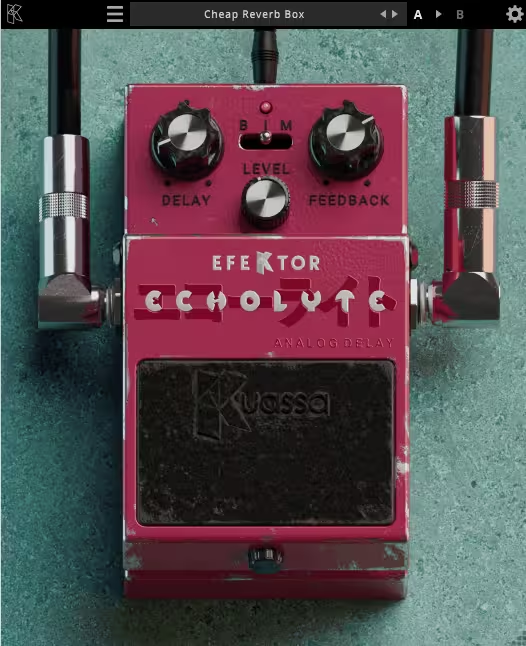
Efektor Echolyte feels like a love letter to vintage delays. For those who want to capture the warm, hazy bucket brigade delay magic (BBDs) from the analog days, this plugin is for you.
What I love most about Efektor Echolyte delay is its way of offering that classic tone but with a modern, user-friendly package. I see it as getting the advantage of both worlds as retro vibes meet with the 21st-century modern package.
The interface is as inviting as your favorite cozy coffee shop with everything laid out on a single screen, meaning no digging through endless menus.
It’s super straightforward, and the resizable window is a thoughtful touch, especially if you’re juggling multiple plugins in your workflow. You’ll feel right at home tweaking settings within minutes.
- 3 BBD Models
Echolyte gives you 3 distinct bucket brigade delay models, each with its own vibe. One is dark and moody, perfect for ambient textures, while another offers crisp yet smooth repeats that sit beautifully in a mix. And the third is a lush, cascading echo machine ideal for creating dreamy soundscapes.
- Sync to BPM
No more guessing tempos or manually adjusting delay times. Echolyte syncs seamlessly to your project’s BPM, making it a dream for producers working on tight, rhythmic tracks.
I’ve used this feature to lock in slapback delays on a rockabilly track, and it was spot on.
- Up to 8x Oversampling
This is where Echolyte shines for audiophiles; up to 8x oversampling ensures your delays are pristine and artifact-free.
The repeats feel smooth and natural, with none of that digital harshness. Whether you’re recording delicate acoustic parts or roaring guitar solos, this feature keeps your tone intact.
- Dry/Wet Control
The dry/wet balance is super intuitive, letting you blend the delay perfectly into your mix. I often dial back the wet signal slightly for rhythm guitar parts, so the delay adds texture without overpowering the main performance.
- Amplifikation 360 Module
If you’re already using Kuassa’s Amplifikation 360 ecosystem, this plugin slots in seamlessly. It’s like having another puzzle piece that fits perfectly, creating a complete guitar processing rig.
Even if you’re not using Amplifikation, this feature future-proofs your setup if you decide to expand.
The only minor nitpick I can say is that while it offers amazing delay tones, it’s not a do-it-all plugin. It sticks to its BBD roots, so if you’re after ultra-modern, crystal-clear digital delays, this isn’t the one.
Efektor Echolyte is my go-to for anything that needs a bit of character and depth. Whether I’m adding subtle slapback to vocals or crafting lush guitar soundscapes, it delivers every time. With its affordable price tag, I think it shines with its cost-effectiveness.
Efektor Echolyte comes for macOS and Windows platforms in VST2, VST3, AU, and AAX formats.
3. Klirrton Grindstein
The Grindstein is what happens when metal distortion meets mad science.
It’s a pedal plugin built for those who want to throw politeness out the window and unleash pure chaos in their guitar tones. I like Grindstein’s unapologetic dedication to the 90s Swedish death metal sound: raw, squelchy, and utterly brutal.
And here’s the twist: it sits somewhere in a great balance between that iconic chainsaw growl with modern precision and flexibility.
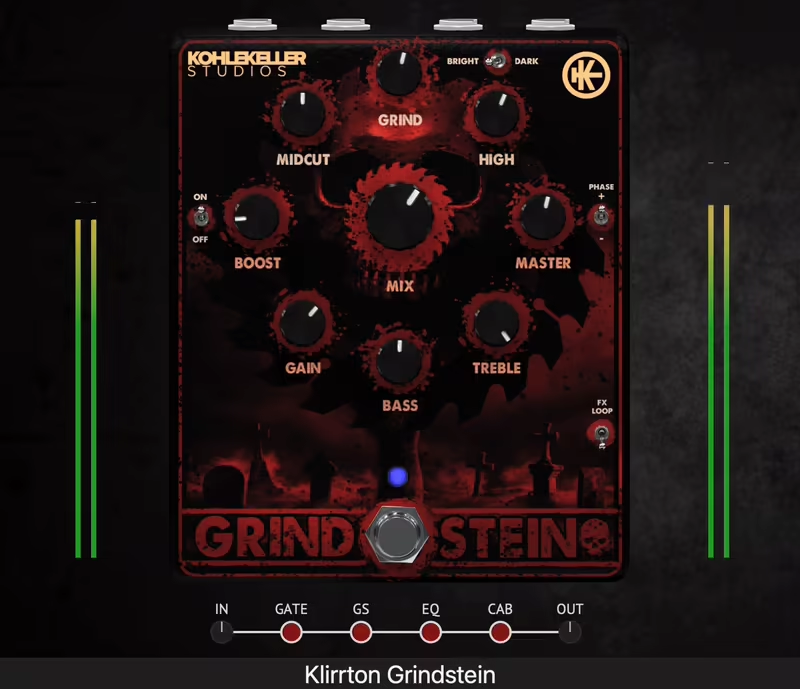
At first look, Grindstein’s interface can look simple and straightforward, but don’t let that fool you. This plugin packs a lot under the hood. It’s divided into four main sections: gate, preamp, EQ, and cabinet emulator, each with its own tab, accessed via neat little dots at the bottom of the interface.
It’s clean, intuitive, and doesn’t require a degree in audio engineering to get started. I particularly love the red-and-black aesthetic, which feels like it’s warning you of the sonic mayhem ahead.
- Dual-Channel Distortion
Well, the Grindstein is all about dual-channel madness. You’ve got the Chainsaw Channel, which delivers the squelchy, midrange-heavy death metal tones we all love, and the Bottomshaker Channel, which adds beefy low-end distortion for a more modern punch. I mean, the names speak for themselves!
The Mix knob is the king here, as it lets you blend the two, and I’ve had a blast finding the sweet spot between chaos and clarity.
- Schnauze Noise Gate
The built-in Schnauze gate is a lifesaver, especially when dealing with high-gain tones.
It keeps your riffs tight and controlled without sacrificing aggression. I love how the Boost and Threshold knobs let you fine-tune the gate’s behavior, no unwanted hums or squeals sneaking through here.
- Fleisch EQ
The EQ section is a work of art as each band with Dozer, Cleansing, Scoop, Chainsaw, and Blade is designed for specific tonal shaping, and their names alone make tweaking fun. Need a gut-punching low end?
Turn up, Dozer. Want that signature HM-2 grind? Crank Chainsaw. It’s surgical but playful, and it makes dialing in tones a joy.
- Cabinet Emulator with IRs
The cabinet section includes 7 impulse responses (IRs) curated by Kristian Kohle, and they’re phenomenal.
My personal favorite is “Bloodpath” for its gnarly, in-your-face vibe, but every IR here is mix-ready and adds a unique flavor to your tone.
- FX Loop Switch
This is where things get really cool. The FX Loop switch lets you bypass the Bottomshaker channel and run your favorite amp sim in parallel with the Chainsaw distortion.
The Grind knob deserves a spotlight. It’s not just about adding distortion, as it shapes the character of your tone with a waveshaper-like effect that introduces modulation and personality.
Sustained chords and palm mutes come alive with this feature, giving your sound a dynamic, almost organic quality that I’ve rarely heard in plugins.
This unit captures the raw energy of vintage HM-2 tones while offering modern tools to refine and expand them. For crafting death metal brutality or experimenting with gritty textures, this unit delivers it in spades. It’s not subtle or polite, and that’s exactly what makes it rock.
Klirrton Grindstein is available in VST2, VST3, AU, and AAX formats for macOS, Windows, and Linux.
4. Safari Pedals Hawk Phaser – Vintage Modulator
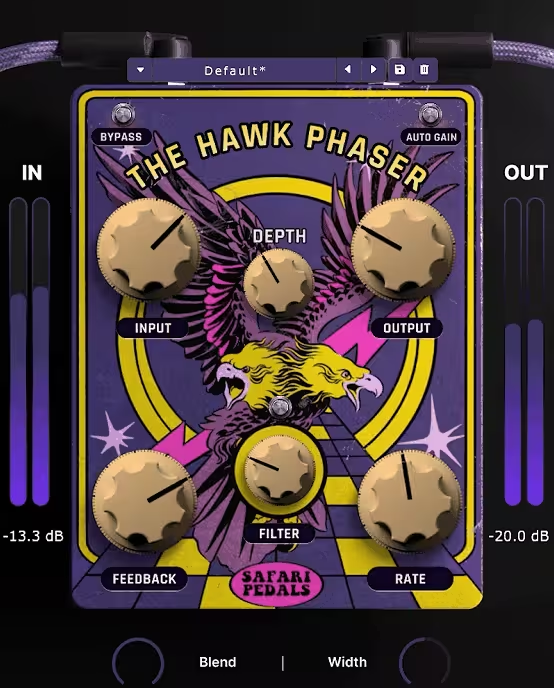
The Hawk Phaser is the way to reach effortless modulation, leading your sound with precision and grace.
Hawk Phaser Vintage Modulator is one of my favorite units for subtle phase shifts or immersive, swirling textures when playing guitar; it delivers beautifully crafted effects that feel alive in your mix. I can say that it’s like giving your tone wings.
- Input Drive for Added Warmth
Dial in the perfect amount of saturation before the phase effect kicks in, adding warmth and character that elevates your sound right out of the gate.
- Customizable Modulation
With Depth, Rate, and Feedback controls, the Hawk Phaser lets you fine-tune every aspect of your modulation, from subtle shimmer to deep, atmospheric sweeps.
- Stereo Expansion with Auto Gain
Using the Width control while Auto Gain features ensures consistent output levels, keeping your phased tones balanced and smooth and enhancing the stereo field.
The Hawk Phaser is pretty lightweight, intuitive, and packed with tonal possibilities, making it ideal for producers and musicians who are looking to enhance their soundscapes. I’d buy it just for the value-for-price here!
Hawk Phaser is compatible with macOS in VST3, AU, AAX format and Windows 64-bit in VST3, AAX formats.
5. Audiority Distortion 1

The Distortion 1 plugin is Audiority’s homage to the legendary BOSS DS-1, a pedal that defined the sound of countless guitar heroes since the late ’70s.
With its simplicity and effective design, I really enjoyed how Distortion 1 captures the raw, edgy distortion of the original while adding modern features that make it a must-have for today’s producers and guitarists. I found it to be similar to the classic roar of a DS-1 but with a turbocharged engine under the hood.
The interface is super simple, with just 3 knobs and a bypass footswitch. Even the most novice players can find their way through this one.
- Analog-Modeled Circuits
Distortion 1 isn’t just a copy; it’s a full-fledged re-creation. With 8 circuit types to choose from, you can go from the unmistakable bite of the original DS-1 to tweaked tones inspired by popular mods. Whether I want searing leads or thick, crunchy rhythms, this plugin delivers in spades.
- Pre and Post Gain with Mix Control
I think the Pre and post-gain stages are what makes this pedal VST plugin unique, which allows you to shape your tone more precisely. You can easily add a subtle crunch or push your amp into total overdrive for great tones, making it all in your hands.
The Mix control allows for blending the dry and wet signals, ideal for dialing in parallel distortion tones.
- Noise Gate and Resizable GUI
The built-in Noise Gate keeps your signal tight and clean without any unwanted noise, even when you crank the distortion.
Another highlight for me is the nice-looking resizable interface cause it is a small but welcome addition, looking great in any setup without sacrificing usability or quality.
Distortion 1 brings you the iconic DS-1 vibe with modern flexibility, making it equally at home in retro rock tracks or contemporary productions.
The best part is that it’s super cost-effective with its super affordable price tag and the tone it brings to the table.
Distortion 1 is compatible with macOS and Windows in VST2, VST3, AU, and AAX formats.
6. Kuassa Efektor Bass Cruncher Preamp
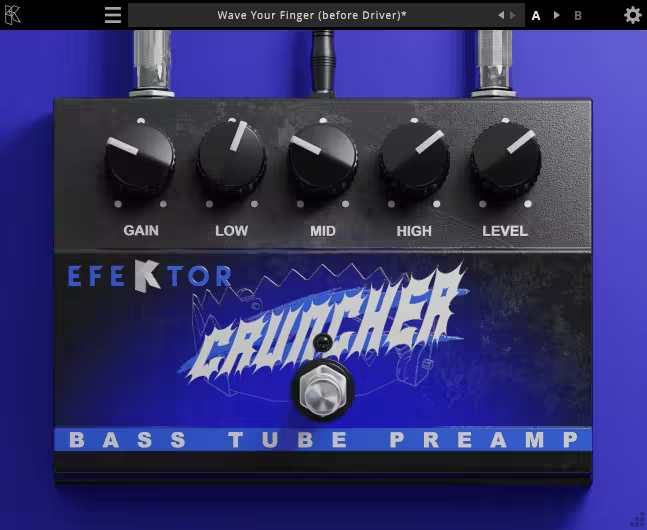
The Bass Cruncher Preamp from Kuassa’s second-generation Efektor series is a tool designed with bass players in mind, but its versatility extends far beyond just bass guitars.
Come here, bass lovers! This pedal plugin is for you, delivering possibilities for sculpting the low end of a mix or giving synths, percussion, or even vocals a gritty edge.
What I love most about the Bass Cruncher is how it enhances your tone while keeping the unique character of your instrument intact. It’s like giving your bass a shot of adrenaline with its powerful, dynamic, and full of personality.
- Tube-Driven Distortion Engine
The magic sauce here is Kuassa’s third-gen tube modeling, and let me tell you that it’s the real deal. This thing oozes that warm, crunchy analog vibe that just feels right. ü
Whether you’re adding a little sparkle or going full-on “snarl-beast” mode, this engine delivers. Your bass won’t just hang out in the mix cause it’ll kick down the door, grab a drink, and make itself the life of the party.
- Comprehensive Tone Shaping
Want smooth and sweet? You got it. Want gritty, growling chaos? Yep, it does that too. The brightness, growl, and bite controls let you dial in whatever vibe you’re after.
And the dry/wet knob? Game changer. Blend your clean tone with that gritty goodness for a perfect mix of clarity and attitude. It’s like having your cake and eating it, too, if your cake sounds like an aggressive rock anthem.
- Intuitive Interface with Modern Features
Kuassa really nailed the interface on this one, as it is easy to use without endless menus or complicated workflow. You never think like, “What does this button do?” as everything is quite intuitive. It features just a clean, single screen where you can tweak away to your heart’s content.
The Bass Cruncher Preamp is for anyone who wants their bass to sound like a million bucks without spending it. It’s affordable, flexible, and just flat-out fun to play with.
Bass Cruncher Preamp is compatible with macOS and Windows in VST2, VST3, AU, and AAX formats.
7. Efektor Gainia TD Preamp
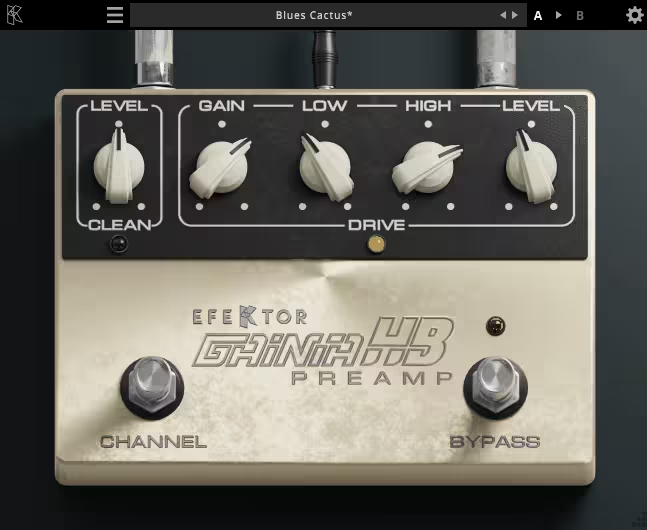
The last unit on the list is the Gainia TD, Kuassa’s tribute to the iconic tube driver pedals of the 1980s, a staple of legendary prog-rock tones.
For me, the star of the show in Gainia TD Preamp is the plugin’s ability to conquer the warm and dynamic character of a vintage tube-driven preamp while delivering the versatility and precision of modern updates to help you on the way.
- Dual-Channel Tube-Driven Preamp
At the heart of the Gainia TD sits Kuassa’s third-generation tube modeling technology, achieving the natural saturation and harmonic richness of the vintage tube circuits.
I liked this special dual-channel design, cause it’s fantastic for adding versatility, allowing for smoother and effortless tweaks between thick and crunchy distortion and creamy overdrives. The Bias control is a standout, giving you the power to fine-tune the tonal character of the virtual tube.
- Intuitive and Familiar Interface
The interface is a joy to use for me, mimicking the physical controls of the original pedal. You’ve got a Drive knob for adjusting gain and distortion, as well as Low and High EQ controls to shape your tone.
It’s straightforward yet powerful, making it easy to dial in anything from warm bluesy tones to full-on rock aggression. Plus, the resizable window ensures the plugin looks and feels great in any DAW.
- The Pillar Power Amp Simulator
The included Pillar Power Amp Simulator takes the Gainia TD to the next level, providing the dynamic response and richness of a true tube power amp. This free add-on integrates seamlessly with the plugin, giving you a complete solution for studio-quality guitar tones.
The Gainia TD isn’t just a nod to the past, as it’s a fully modernized version of a classic built for today’s musicians. I should add that the advanced oversampling ensures pristine sound quality, while the Amplifikation 360 module compatibility adds flexibility for those using Kuassa’s ecosystem.
Efektor Gainia TD is compatible with macOS and Windows in VST2, VST3, AU, and AAX formats.
