
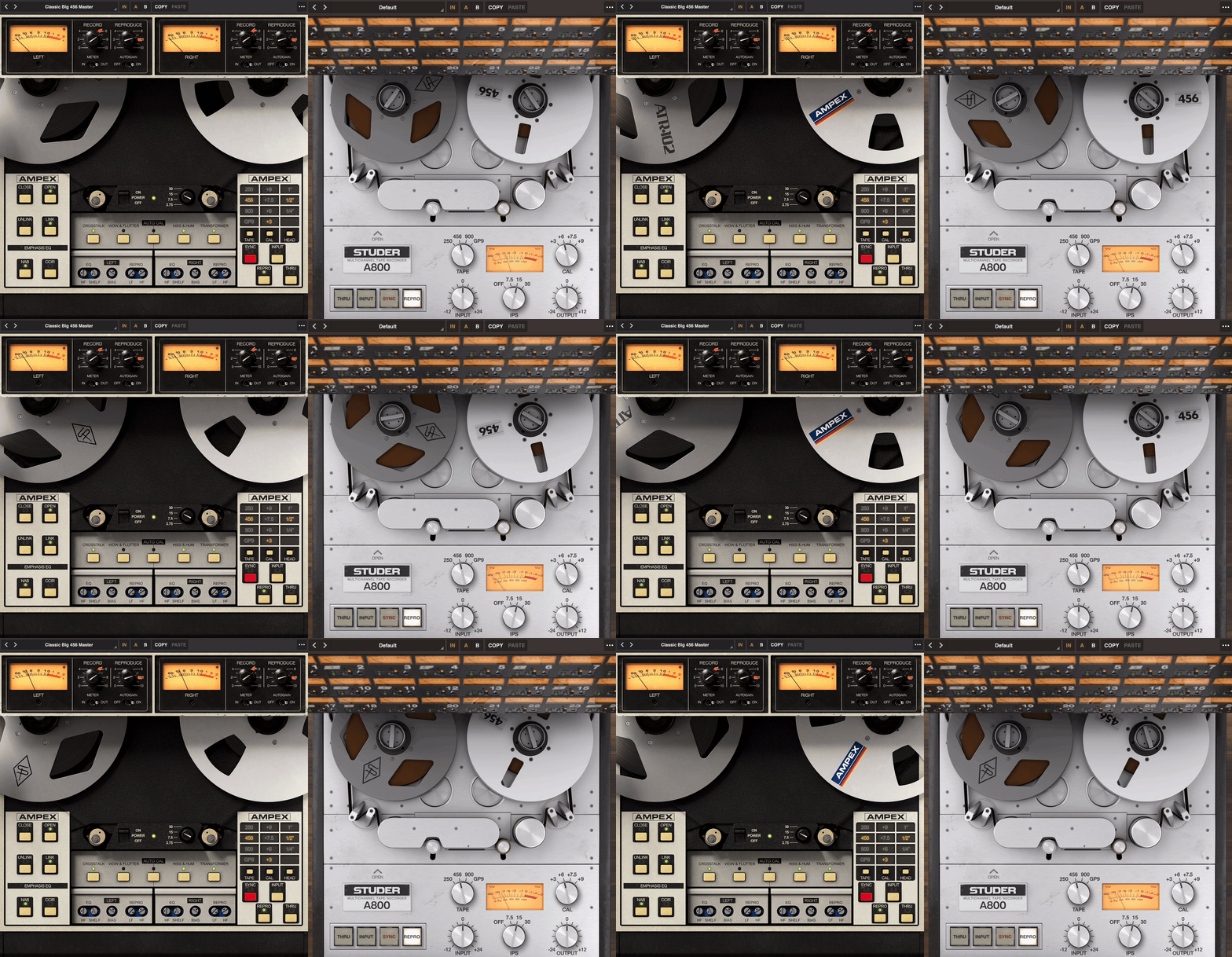
In this article, we’re spinning the reels to see which tape plugin, UAD’s Ampex ATR-102 or Studer A800, brings the most analog mojo to your track.
Today, we are settling an age-old debate, comparing two of the most famous tape machine plugins: UAD Ampex ATR-102 and. Studer A800. These plugins are considered holy grails when it comes to bringing that warm, gooey analog tape vice into the mixes. They are both impressive and add their own flavor to the tape magic, making it hard to choose the right one for your studio.
It is a hard decision, as it is like deciding between cake and pie; they are both delicious. The Ampex ATR-102 is the mastering-grade dessert with its rich and sweet taste, ideal for polishing your final mix. The Studer A800, on the other side, is the everyday comfort food, great for tracking and adding that subtle saturation to make the mix feel alive.
So, we will dive deep into their tones, features, interface, and workflow to figure out which one is more suitable for your vibe. Spoiler alert: you might want both! Let’s roll!
Features
| Feature | UAD Ampex ATR-102 | UAD Studer A800 |
| Purpose | Mastering-grade final mix glue and warmth | Multichannel tracking and mix saturation |
| Emulation | Entire ATR-102 circuit (transformers, amplifiers, paths) | Entire A800 circuit from Ocean Way Studios |
| Tape Heads | 1/4-in, 1/2-in, and 1-in | Input, Sync, and Repro signal paths |
| Tape Speeds | 3.75, 7.5, 15, and 30 IPS | 7.5, 15, and 30 IPS |
| Tape Formulas | GP9, 456, 900, 250, home/consumer tape | 250, 456, 900, GP9 |
| Presets | Artist presets (Chuck Ainlay, Richard Dodd, etc.) | Default Presets |
| Automation | Auto-Gain and Auto-Cal for gain staging and EQ/bias calibration | Auto Cal for +3, +6, +7.5, and +9 calibration levels |
| Additional Features | Noise On/Off (hum, hiss, wow, flutter) | Gang Controls for global adjustment of multiple instances |
| LUNA Integration | Pre/post-fader tape processing in LUNA mixer buses | Works as a LUNA extension with analog-style workflow |
| Interface | Enhanced retina GUI with interactive tape reels | Graphical UI with simple input/output and global adjustments |
| Usage | Ideal for mastering and bus processing | Perfect for tracking and mix saturation across multiple channels |
Sound and Character
Let’s not linger around and come to the main point. The sound and character are probably the key points, along with versatility and controls, to decide which of these tape plugins suits you better.
- Ampex ATR-102
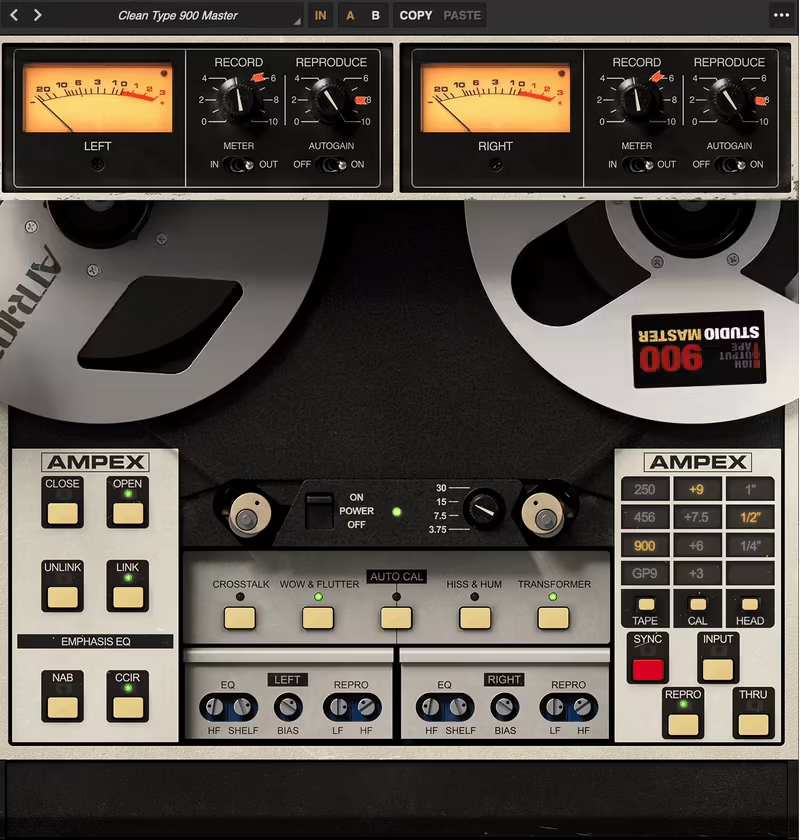
Just like a fancy espresso machine, the Ampex ATR-102 offers a smooth and polished sound guaranteed to impress. It is ideal for the master buses, adding that final touch to the mixes while adding warmth and cohesion that surprises you in a good way. Every time I used it, I felt the mix got tighter, warmer, and basically… better. It glues everything together without sacrificing detail.
I loved the sweet low-end thump and the vintage vibes the unit adds to the sound when you use the low 7.5 IPS setting. At 15 IPS, you get a subtle low-end boost and smooth tape compression, perfect for gluing a dense rock mix. But if you switch to 30 IPS, you’ll get clean, open, high-end, ideal for pristine acoustic recordings or mastering modern pop tracks.
Wow, and Flutter basically controls the stars here as they add more analog mojo to the mix, making it sound like you just got it from your parents’ vinyl collection. It’s great for mastering or whenever you want that big, warm analog goodness. Whether it’s subtle warmth or deep, harmonic richness, the ATR-102 nails it.
- Studer A800
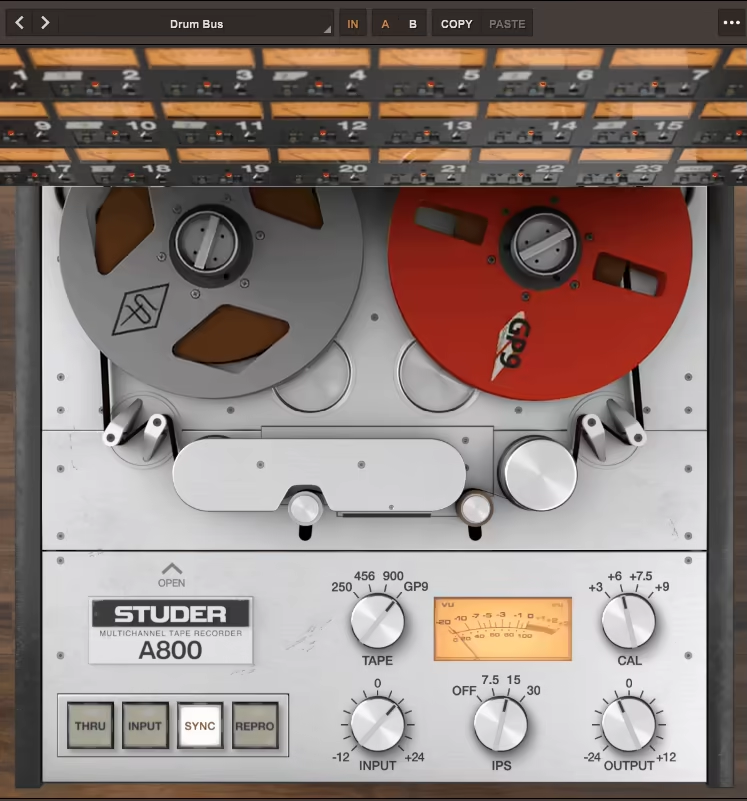
The Studer A800 is more like an all-rounder coffee machine; just throw it on any track, and boom, instant vibe. It is a joy to use with individual tracks, from beefing up your drums to adding cozy warmth to guitars and bass. You can sprinkle it everywhere for a better flavor, as it is like the seasoning salt of plugins.
Whether it’s drums, bass, guitars, or vocals, the A800 gives everything a warm, punchy vibe. When I tried it on a drum kit, the 456 tape at 15 IPS added this beautiful low-end heft and smooth high-end roll-off. The toms felt rounder, and the snare had just the right amount of bite without being harsh.
What I really love about this unit is that you can slap it on every channel (of course, if you have the CPU resources for it), with the ability to tweak bias and EQ settings to achieve unified tape vibes.
Pushing it hard, you get those sweet and warm vintage saturated tones for guitars, while pulling it back brings smooth and subtle coloration. With the Repro EQ, you can get a subtle but noticeable boost to enhance the low end of the bass track. These small adjustments go a long way with this plugin, making it feel like a real tape machine.
Often, I use the A800 on every track with linked controls to make it sound like it was really recorded in one take on the same tape machine. And suddenly, everything sounds cohesive, making it perfect for rock and indie tracks.
- Direct Comparison
Here is the deal: both tape plugins bring a great tape mojo, but they shine in different ways. The Ampex is designed for mastering, acting like the final coat of polish to make your mix radio-ready. It smoothens out the harshness, adds subtle warmth, and enhances the stereo image. If you are after a “recorded in a legendary studio” vibe on the master bus, the ATR-102 can be your friend.
On the other side, the Studer is all about individual tracks. It is great for adding punch to drums, depth to bass, and warmth to guitars with its tape saturation. It is not just about the glue like the Ampex, as it is more about personality.
In short, the Ampex and Studer are like PB & J. Ampex is the peanut butter gluing everything together, while the Studer is the jelly, adding the character. Use the Ampex to tie your mix together, but rely on the Studer to add analog magic to every individual element. And together? They create the Voltran, the unstoppable duo, providing you with teh best of analog tape in the digital realm.
Features and Interface
Let’s compare these two bad boys regarding their interface and key features.
Tape Speed Options
Both plugins come with multiple tape speed settings, but they are used in different ways, serving slightly different purposes.
The ATR-102 comes with 3.75, 7.5, 15, and 30 IPS choices but shines with the 15 IPS and 30 IPS speeds, which is ideal for mastering needs. The 15 IPS is for the warmth and bass heft zone, while the 30 IPS is for pristine clarity and open top end.
The Studer features 7.5, 15, and 30 IPS options, which is more than enough for creating vintage vibes in individual tracks.
Both plugins offer different EQ emphasis curves for various speeds, including 7.5 NAB/CCIR, 15 NAB/CCIR, and 30 AES.
Tape Formulations
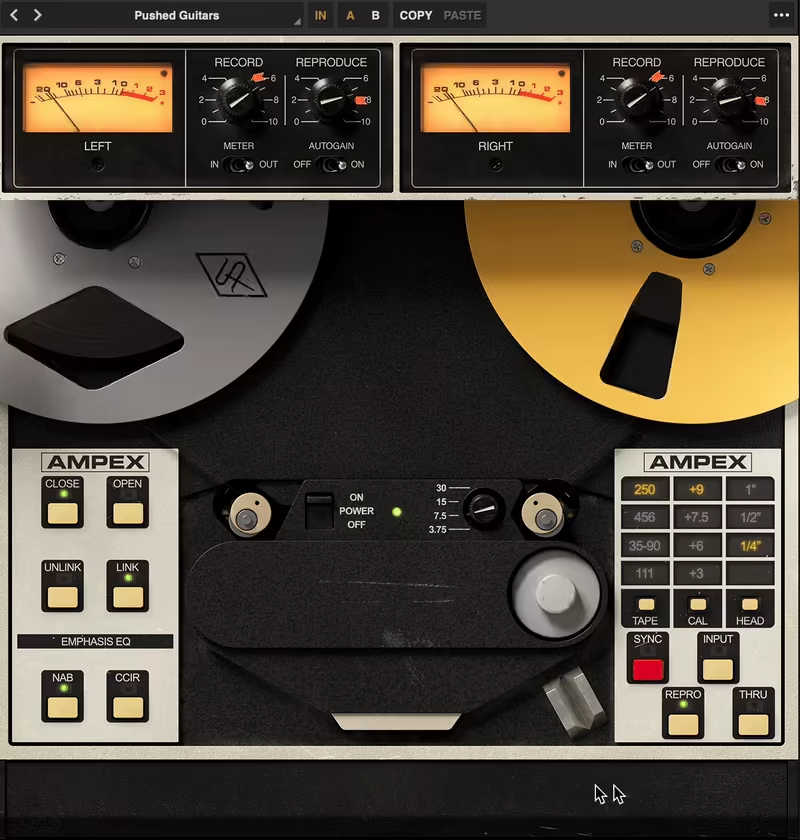
Both VST tape plugins come with 4 tape formulas, including 250, 456, 900, and GP9.
Each formula offers distinct tonal characteristics: My favorites are 456, great rock saturation, and GP9, ideal for super-clean, high-headroom tracking.
Here, I must say, the ATR-102 focuses more on crafting an ideal final mix rather than tweaking tones on multiple tracks, making the tape formulations less significant.
Tape Heads
Designed as a mastering-grade two-track tape recorder, the ATR-102 comes with 1/4-inch, 1/2-inch, and 1-inch tape head emulations and offers true-to-life playback precision. This is great for getting that analog warmth and glue to stereo mixes.
The Studer A800 emulates 24-channel, 2-inch tape, which is used best for individual tracks or groups in a mix. It is a go-to for shaping drum buses, guitars, or vocals with subtle saturation.
User Controls
Regarding controls, ATR-102 offers Auto-Cal and Auto-Gain features for a simpler setup, which is used for calibrating bias and gain for optimal tape settings. It also has additional controls such as tape hiss, wow and flutter, and crosstalk for creative or corrective use, along with tape delay for added versatility.
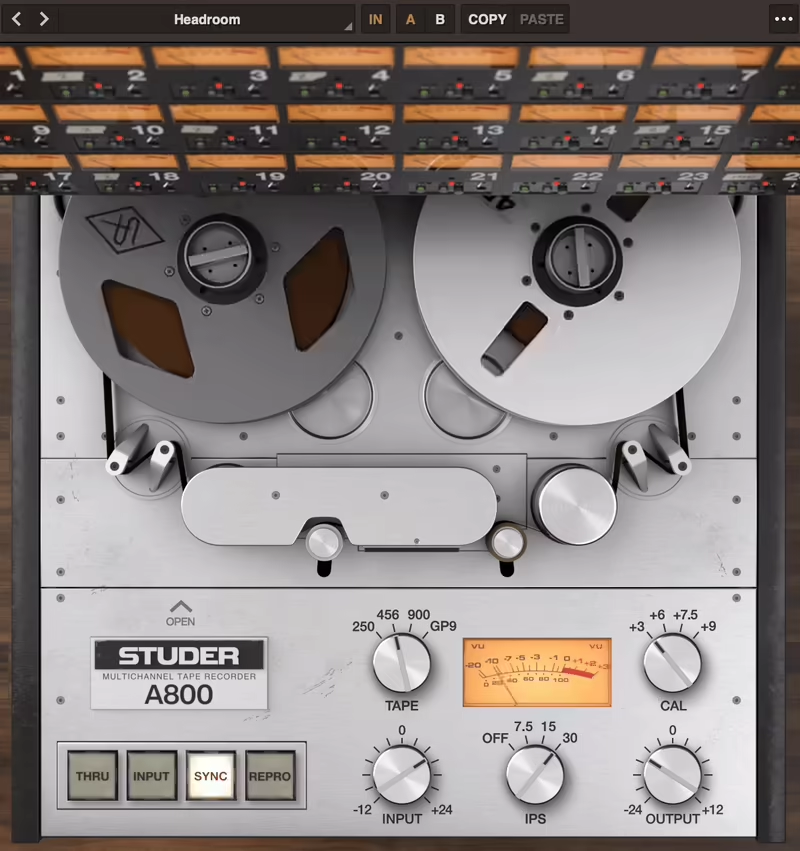
The A800 comes with a Gang Control for simultaneous adjustments across multiple instances, which is designed with multitrack setups in mind. Bias, HF Driver, and saturation level are other controls under the hood for more tonal control for each tape formulation. In terms of controls, the Studer offers more customization options.
Interface
The Ampex features a sleek interface with interactive spinning reels and pretty straightforward, easy-to-read controls. It mimics the physical unit with some modern enhancements like meter options and additional calibration tools. From the first moment, you can tell that the plugin is designed for mastering workflows.
The Studer A800 has a more retro-inspired GUI with spinning reels and VU meters. It also has signal path toggles (Input, Sync, and Repro), which add flexibility to shaping your sound. The gang controls signal for multiple instances, making it perfect for full multitrack projects.
In terms of user-friendliness, the Ampex takes the cake for mastering, but the Studer’s gang feature is a lifesaver for complex mixes.
Performance
When comparing the two in terms of compatibility and performance, you can see the specific design and intended applications.
Compatibility
Ampex ATR-102 is available in VST3, AU, or AAX formats for Mac and Windows platforms. It’s designed for both native processing (via UADx) and UAD-2 DSP hardware, making it flexible for users with Universal Audio hardware or those relying on their computer’s CPU. This tape VST also offers seamless integration with LUNA, acting as an extension for effortless mastering workflows.
Studer A800 also comes in VST3, AU, and AAX formats for Mac and Windows. It supports UAD-2 DSP hardware and native processing with UADx licenses. It works across major DAWs and integrates well into multitrack setups, but doesn’t have the same dedicated LUNA extension features as the ATR-102.
CPU Usage
When running natively without the UAD-2 hardware, the ATR-102 is pretty CPU-intensive. The high level of detail in emulating tape artifacts, multiple tape formulations, and extensive signal path options contribute to its demanding nature.
The A800 is designed for multitrack setups, which means it’s optimized to run efficiently across multiple channels. While it can still consume a notable amount of DSP or CPU power, especially when ganged across 24 tracks, its overall footprint is lighter than the ATR-102, making it more practical for tracking and mixing workflows.
In Practice
For me, these two units both shine in distinct roles, making them complementary tools for achieving the desired analog warmth.
Multitrack Mixing and Individual Track Processing

As I mentioned before, the Ampex is designed primarily for mastering, but that shouldn’t stop you from using it on individual tracks for targeted tape saturation and tonal shaping. For instance, I like using it occasionally on lead vocals or solo guitars to achieve a polished upfront presence. I recommend 15 IPS for warmth and solid low-end punch and using the input gain knob to control the saturation level subtly to find the sweet spot.
The Studer is the “one” for adding the analog tape warmth across multiple tracks in a session. It is great for gluing drum buses, thickening bass guitars, and smoothing out vocals while adding analog mojo to guitars. The ganging feature allows you to tweak settings for multiple instances at the same time, which makes the multitrack workflow easy to use.
I recommend putting the Studer on the first insert of your tracks to simulate recording directly to tape. I often go with a +6 dB for a balanced saturation before starting to tweak the bias settings.
Mastering and Mix Bus Processing
When it comes to mastering, the Ampex ATR-102 is the king. With its analog glue that just makes everything sit right, this bad boy shines in putting the final touches to the mix. Features like Auto-Gain and Auto-Cal are lifesavers, easing the workflow and taking out the guesswork.
Slap it on 30 IPS with the Repro head for the hi-fi vibe, and go with the GP9 tape formula for transparency, or switch to 456 for the good old vintage mojo for your final tone. They all work great for mastering.
Now, the A800 wasn’t made for mastering, but I don’t count it 100% out, as it can also add some serious vibe to the mix buses.
You can use the 7.5 IPS on the mix bus with a bit of generosity on the input levels to reach some tasty low-end heft and hints of soft compression, or the 456 tape formulation at 15 IPS brings a rich, low-end and gentle tape compression, perfect for adding character to rock or indie mixes. But, the A800 is less about precision and more about creative tone shaping, so it’s best suited for those who want a retro vibe on their mix bus.
Creative Sound Design and Special Effects 
Both tape plugins can be used experimentally for creative sound design.
The Ampex has wow and flutter adjustments and a built-in tape delay for lo-fi textures and vintage slapback effects. For example, you can also dial in some distortion with higher input levels for gritty indie tones or recreate tape-style flanging by playing with the delay times and adding movement with the flutter.
The Studer does not offer as many sound design features as the Ampex, but it still has some tricks in its pocket, especially regarding character. When you drive the inpıt hard, you can get some fuzzy, saturated tones that go great with electric guitars or synths with a raw and live feel. I also enjoyed combining 7.5 IPS with the bias controls for gritty cassette-like textures.
Also, here I have to mention that the Ampex comes with some great presets made by artists like Mark Knopfler, Chuck Ainlay, Richard Dodd, and more, while the Studer only has default presets. So
Conclusion
To summarize, the Ampex ATR-102 and Studer A800 both bring unique flavors of analog magic and cater to different production needs.
The Ampex is ideal for mastering and mix bus processing, offering polished cohesion and warmth with its handy features like Auto-Gain, Auto-Cal, and flexible tape formulas, as well as effects like tape delay and wow and flutter.
Meanwhile, the Studer is aimed at multi-track projects, adding vintage character, warmth, and subtle compression to individual tracks or full mixes.
So, the choice comes down to your needs, as these plugins have almost the same price tags. If you want a final polish for mastering, the Ampex is better, but for those who are after tone-shaping and multitrack cohesion, Studer is the way to go. Used together, they’re a powerhouse duo for any production seeking authentic tape vibes without the maintenance hassle.
